
CHINA CAPITAL
Gunvor publicly condemned Russia’s war but continued to do business with Russian energy firms, records show
Even as the trading giant publicly claimed to be winding down its Russia business, Gunvor privately acknowledged the deals to its bank, the Industrial and Commercial Bank of China, saying they complied with sanctions laws.
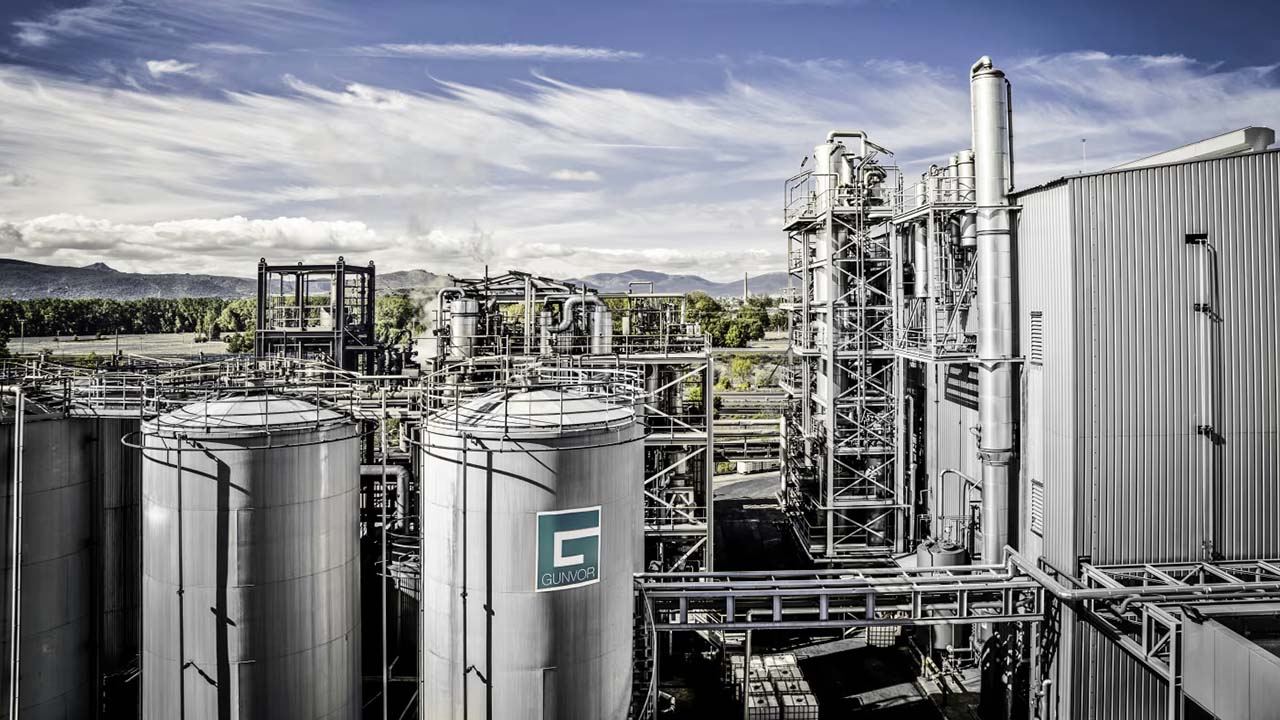
Shortly after Russia’s full-scale invasion of Ukraine in 2022, several major trading firms pledged to stop or reduce new dealings with Russian businesses, joining global efforts to weaken Vladimir Putin’s military machine.
One of them was Gunvor Group, a company co-founded by a Swedish businessman and a Russian oligarch close to the Kremlin. In 2014, a U.S. Treasury Department report said that Putin himself had investments in the energy trading firm and may have had access to its funds. Since then, Gunvor’s co-founders have exited, and the company, now valued at about $5 billion, has over the last decade sought to shake its image as a Putin investment tool.
Gunvor has publicly condemned Russia’s war in Ukraine, and in 2023 corporate filings stated that it had “largely wound-down the trade of Russian oil and products.”
Now, confidential records reviewed by Swedish daily Göteborgs-Posten and the International Consortium of Investigative Journalists show how, despite its public pledges, the trader, using some of its subsidiaries, continued doing business with sanctioned Russian oil and gas producers.
The records come from the archives of the U.K. operations of the Industrial and Commercial Bank of China, the world’s largest bank by asset size and one of Gunvor’s lenders.
While likely not violating sanction laws, the deals found in the ICBC records are at odds with the trading giant’s public posturing following the start of the war. The dealings also go against a private reassurance Gunvor made in a 2022 email to ICBC saying that it had stopped new sales to Russian entities, the investigation found.
ICBC’s records were examined as part of China Capital, an ICIJ-led investigation that exposed the inner workings of the Chinese state-owned bank and its maneuvers to advance Beijing’s geopolitical goals. The project showed how ICBC’s London units routinely financed companies with opaque financial flows and murky corporate ownership, justifying the deals as part of its support for the Chinese government’s top priorities.
China Capital found, for example, that ICBC London provided loans to Norilsk Nickel, a Russian mining company partly owned by sanctioned oligarchs close to Putin, in breach of an internal branch policy forbidding dealings with clients linked to sanctioned people or entities. ICBC’s other branches also provided foreign exchange, deposits and cash management services to Norilsk Nickel, a key supplier to China’s booming electric vehicle and battery industries.
Justin Ko, a researcher at the University of Macau who studied China’s state banks, described China’s relationship to Russia as “opportunistic.” As mounting war sanctions have forced Western traders to stop dealing with Russian counterparts, Beijing has emerged as Moscow’s steadiest ally. “In that sense,” Ko told ICIJ, “there is going to be more business, more trade, and it’s only natural that ICBC and Bank of China, as [China’s] two leading international banks, will be leading the way for that.”
To be sure, ICBC London officers made an effort to ensure the bank complied with sanctions restrictions imposed following Russia’s annexation of Crimea in 2014, the records show.
But the bank’s continued dealings with Gunvor shows how ICBC chose to serve clients considered strategic by Beijing even when they did business with sanctioned Russian entities.
For ICBC, Gunvor was a special client. An internal memo dated 2016 said that a “China rationale” for financing the company was its ongoing expansion within China: “Gunvor is expanding its reach into the Chinese domestic market : by sealing supply contracts with new independent (teapot) refineries and supplying [specialty] ores.”
Confidential records provided by Gunvor to ICBC show that between 2022 and 2024 the company based in Geneva continued to deal with sanctioned Russian parties, using licenses and other forms of authorization.
In 2024, during an ICBC “client review” as part of a prospective $594 million credit line to support Gunvor’s “trade finance needs,” some bank officers raised concerns about the trader’s Russia dealings.
In a report marked “strictly confidential,” Gunvor had acknowledged to ICBC London that, through its subsidiaries, the “Group had dealings with Russian counterparties target of Sanctions,” including buying and selling oil, gas and other products to and from “entities part of Gazprom, Rosneft, Lukoil and Novatek groups.” But those transactions, the Gunvor report said, represented only 0.69% of the group’s revenue in the first quarter of 2024 — or about $234 million, according to Göteborgs-Posten’s estimates.
In an internal meeting, an analyst from ICBC’s Zurich office told his London colleagues that the Swiss branch found “Gunvor trading a bit more aggressive than other traders” and had chosen not to do business with the trader.
Still, ICBC London ultimately decided to keep serving its long-time client, classifying it as “high risk.” “The group remains vital part of ICBC London relationship,” a bank officer noted in an internal memo.
In response to reporters’ questions, Gunvor’s corporate affairs director, Seth Pietras, acknowledged that in 2024 the company “did undertake some limited sanctions-compliant trading of Russian commodities” and said that those activities are “disclosed transparently to our financial institutions and to relevant national competent authorities.” In his emailed statement to Göteborgs-Posten, Pietras added that all of Gunvor’s trading activity is performed in strict compliance with U.S., U.K., the European Union and other countries’ sanctions laws.
“Gunvor fully stands by its public statements relating to its decrease in trading and activities in Russia,” he said.
ICBC did not respond to ICIJ’s requests for comment.
Göteborgs-Posten’s Tobias Andersson Åkerblom and ICIJ’s Denise Ajiri contributed reporting for this article.