DEFORESTATION INC
New evidence links Singapore palm oil giant to Indonesian deforesters, despite denials
Two environmental groups have uncovered operational, commercial, personnel and logistical links between First Resources and Indonesian suppliers accused of forest destruction. It’s not the first time the company has obscured its supply chain.
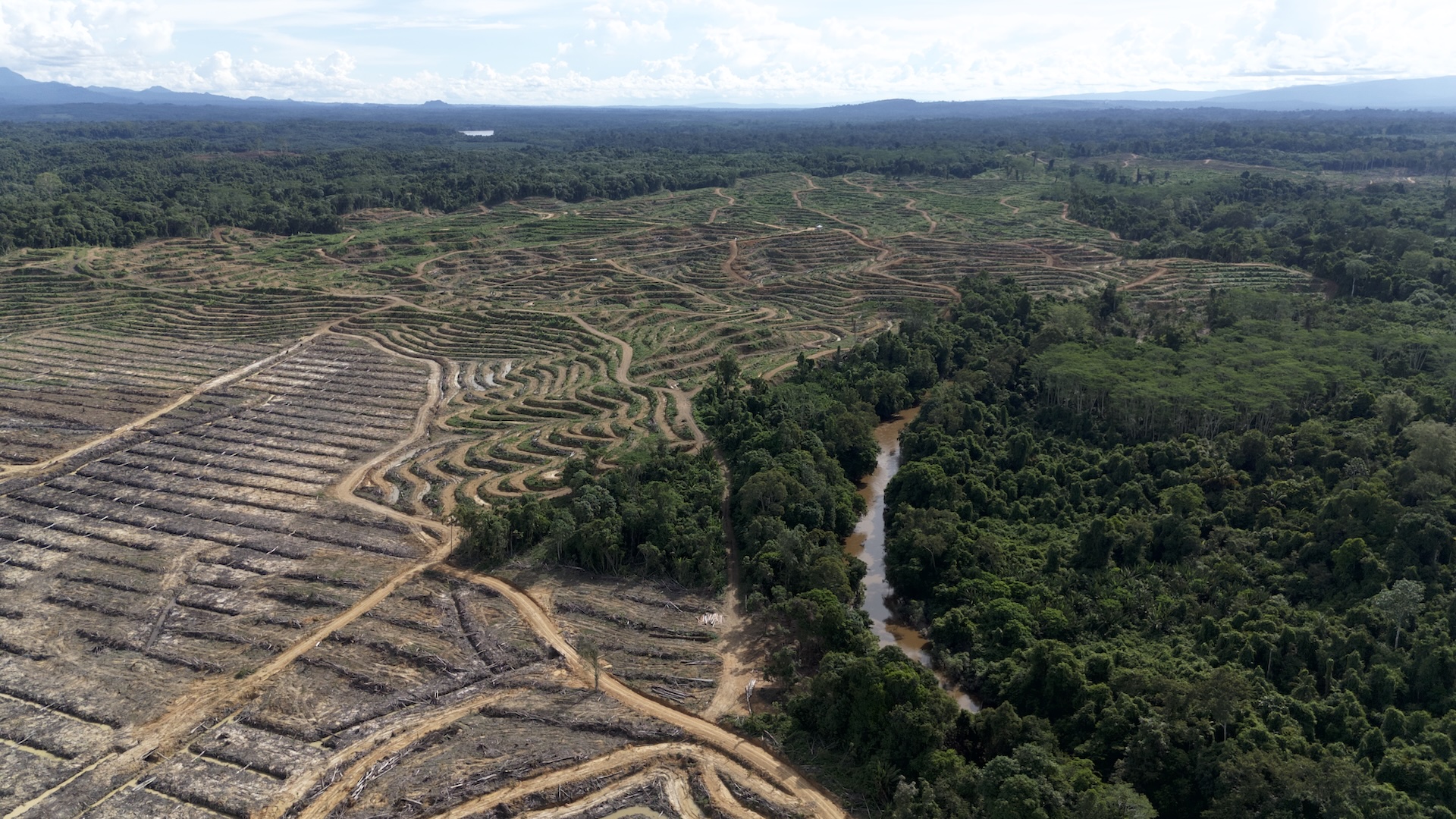
One of the world’s largest palm oil producers allegedly misled investors and corporate customers when it denied links to Indonesian suppliers accused of deforestation, a group of environmental organizations found.
The Singapore-based First Resources group, owned by the billionaire Fangiono family, oversees more than 270,000 hectares of oil palm plantations and is currently under scrutiny as Indonesia and neighboring nations battle a toxic haze caused by illegal fires used to clear land for agriculture.
In 2024, First Resources rejected allegations by the Gecko Project, a partner of the International Consortium of Investigative Journalists, which had linked the conglomerate to a company now known as Kalimantan Agro Sejahtera (KAS) and palm oil firms allegedly responsible for deforestation on the island of Borneo. The findings were part of Deforestation Inc., a cross-border investigation led by ICIJ that exposed how a lightly regulated sustainability industry overlooks forest destruction and human rights violations when granting environmental certifications.
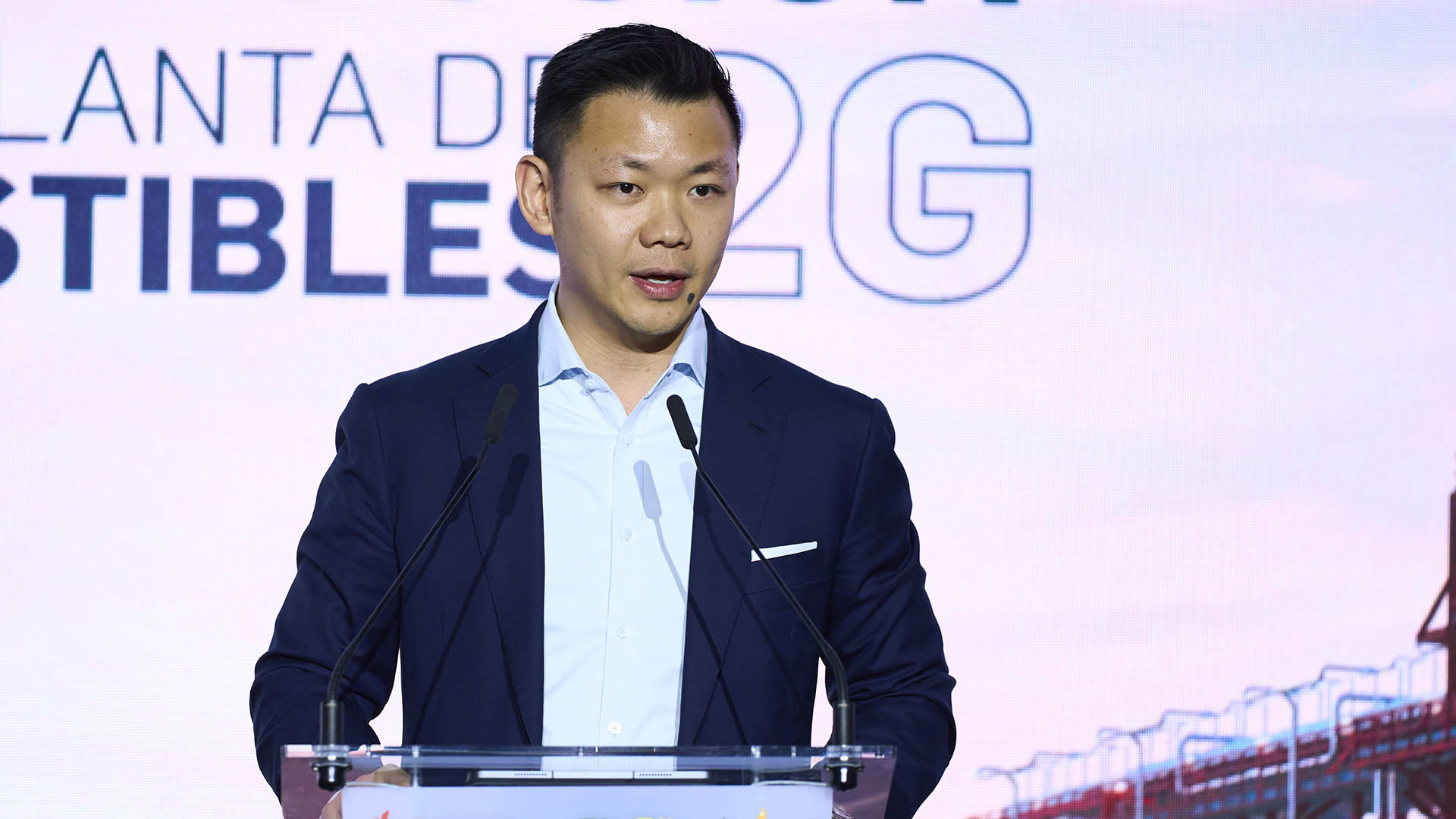
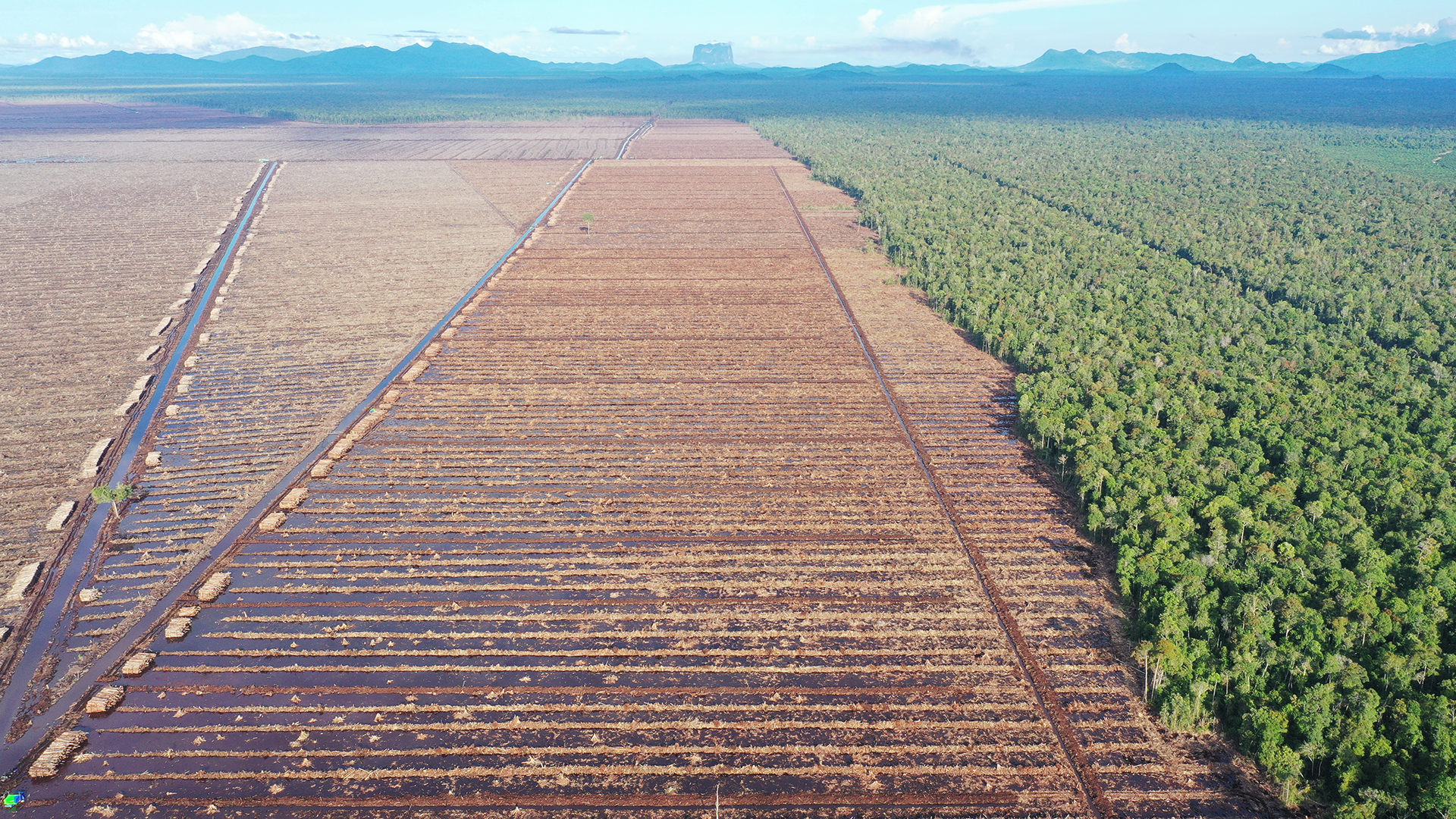
The Rainforest Action Network and the Environmental Investigation Agency have now uncovered new evidence showing that First Resources, KAS and another company appear to be part of the same corporate group, and have operational, commercial, personnel and logistical connections.
Confidential financial information and court records reveal that, despite marketing its operations as sustainable, First Resources “laundered” into its supply chain palm oil sourced from the suppliers linked to forest loss, according to the reports published today. The company sells its products to Cargill and other major food processing and trading firms.
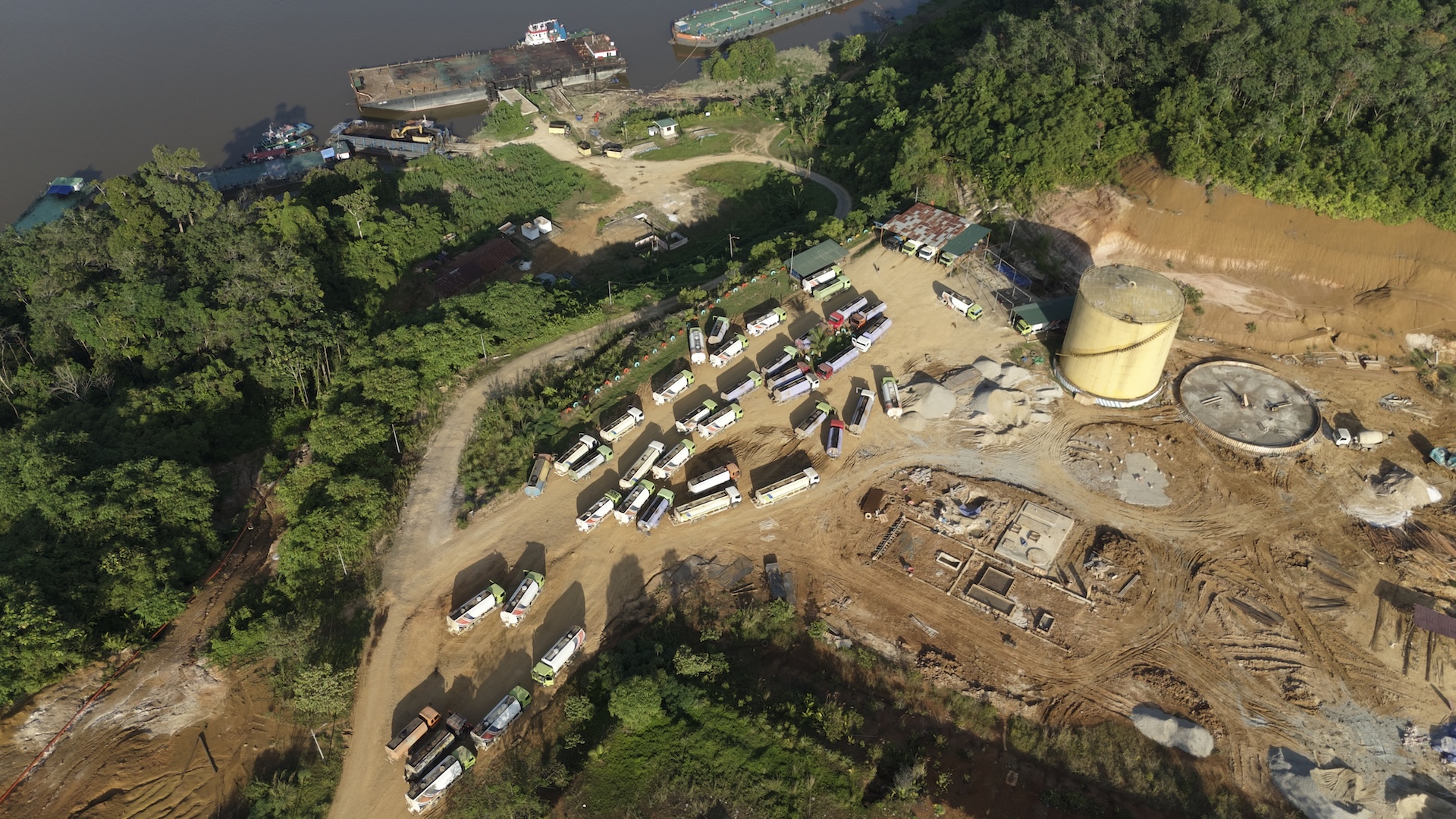
The researchers also followed trucks and barges and found that a Fangiono-controlled bulking facility was used to offload and transport crude palm oil sourced from mills belonging to First Resources, KAS Group and FAP Agri — indicating close trade relationships. Companies’ employees interviewed by the researchers also confirmed that the firms were linked to each other, the RAN report said.
Alex Helan, a senior researcher at RAN, said the new revelations show how major players in the forestry sector use “tactics of hide and seek through corporate structures” that weaken authorities’ fight against forest destruction.
“Deforestation in Indonesia has been declining over the last decade, influenced by market expectations for deforestation-free products, together with stronger government enforcement,” Helan told ICIJ. “However, this progress is being undermined by companies using complex corporate structures to hide their continued links to deforestation.”
First Resources denied the allegations, saying it operates according to the law and “does not have coordinated, integrated, and co-mingled Crude Palm Oil (CPO) supply chains” with the Indonesian suppliers mentioned in the report.
‘Related parties’ undercut sustainability claims
First Resources first pledged to end deforestation in its supply chain in 2015. Since then, more than half of its plantations have been certified as sustainable by the Roundtable on Sustainable Palm Oil, a voluntary certification organization, according to corporate records.
Companies often use their green certification status to attract lenders, investors and clients committed to “environmental, social and governance” guidelines.
As a publicly listed company on the Singapore Stock Exchange, First Resources is also required to submit a sustainability report, in which it routinely touts its commitment to transparency and environmental standards. The report is not reviewed by an independent third-party — a loophole identified by ICIJ’s Deforestation Inc., which showed how forestry companies use certifications based on flawed audits to advertise products and operations as compliant with environmental standards, labor laws and human rights, misinforming shareholders as well as customers.
The new findings by RAN, EIA and Kaom Telepak raise questions about the company’s sustainability claims — and the RSPO’s and the Stock Exchange’s ability to hold it accountable.
According to the environmental groups, over the last decade, large-scale deforestation has continued in a number of palm oil concessions surrounding First Resources facilities operating under the name KAS Group. The company is controlled on paper by a businessman with a very limited public profile who has been described by researchers as a close associate of the Fangionos’.
The KAS Group operates across several Indonesian provinces with about 15,000 employees, 70,000 hectares of land and six palm oil mills, according to job and training adverts uncovered by the researchers. Information about its ownership is hidden behind shell companies incorporated in the British Virgin Islands, a secrecy jurisdiction.
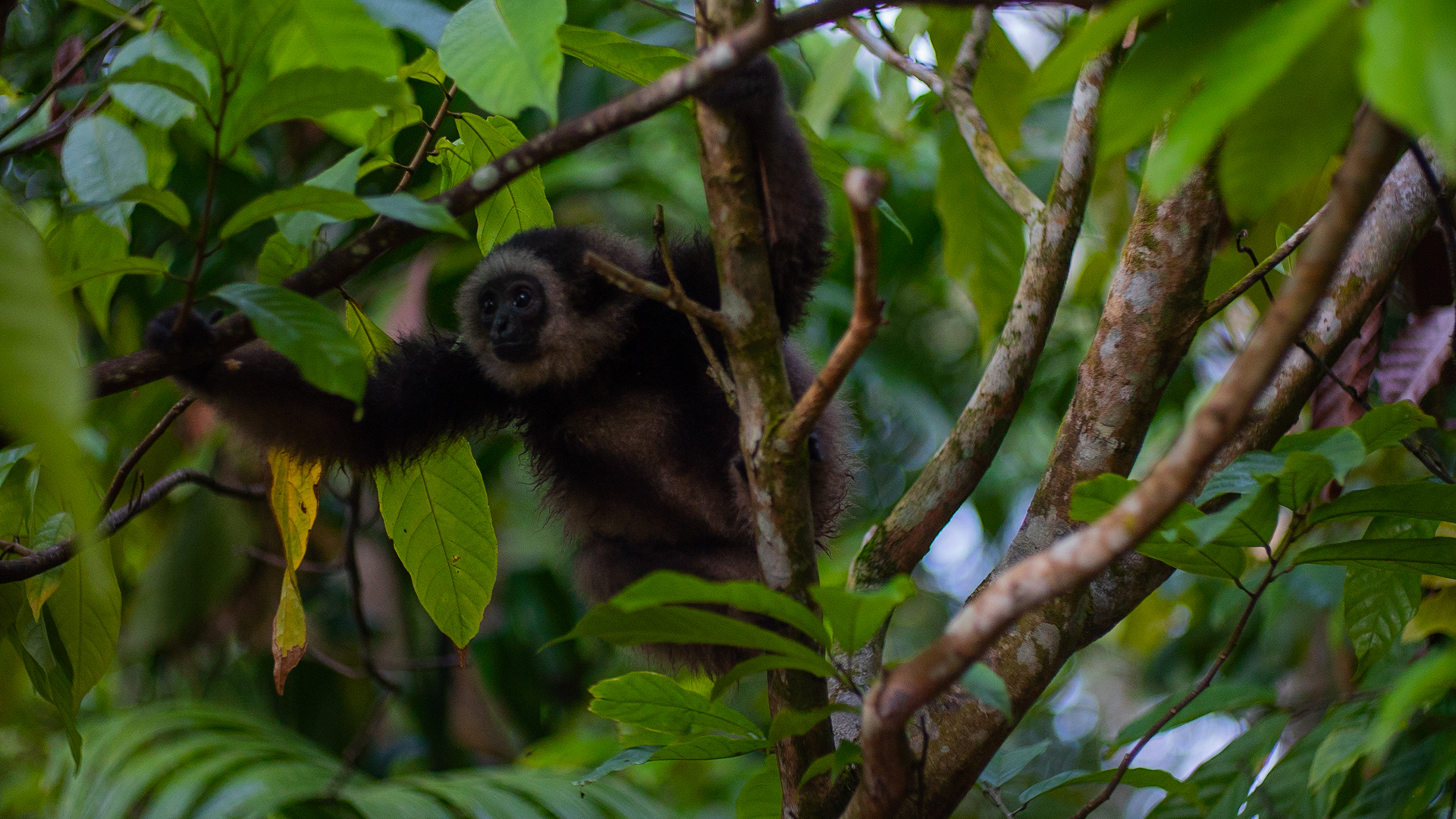
Satellite images analyzed for the report reveal that KAS Group and FAP Agri, another palm oil producer allegedly linked to First Resources, were responsible for clearing more than 9,300 hectares of forest between 2021 to 2026, including areas inhabited by the endangered Eastern Grey Gibbons.
Last year, the RSPO found its member, First Resources, in breach of the organization’s transparency rules and suspended it temporarily. It did not, however, require the company to treat the suspect suppliers as part of the same group, and First Resources has continued to deny links to the Indonesian firms.
“The RSPO complaints panel got it wrong,” RAN’s Helan said, “and has thereby allowed apparent laundering of deforestation palm oil to take place.”
Newly uncovered records from a lawsuit filed by KAS Group in 2022 includes employees’ statements describing regular transport of KAS palm oil to First Resource operations, RAN’s report said. Internal accounting files obtained by the researchers and dated April 2024 also appear to identify the three companies – First Resources, KAS Group and FAP Agri – as “related parties” and show close trading links, the report said.
FAP Agri denied any wrongdoing in a statement to RAN. KAS Group did not reply to requests for comment.
The EIA investigation also found that South Sorong concessions sold by First Resources in 2025 and a First Resources-linked shipping company have the same ultimate owner: an entity registered in the British Virgin Islands. This raises “significant questions about whether the divestment resulted in complete separation from the assets,” EIA’s analyst Ben Melling told ICIJ.
Taken together, Melling said, the findings show that “buyers, investors and certification bodies need to step up their due diligence.”