PRESS FREEDOM
Tunisian court dismisses case to dissolve publisher of ICIJ partner Inkyfada
Despite the court victory, Inkyfada and its parent company Al Khatt still struggle to recover funds frozen by authorities.
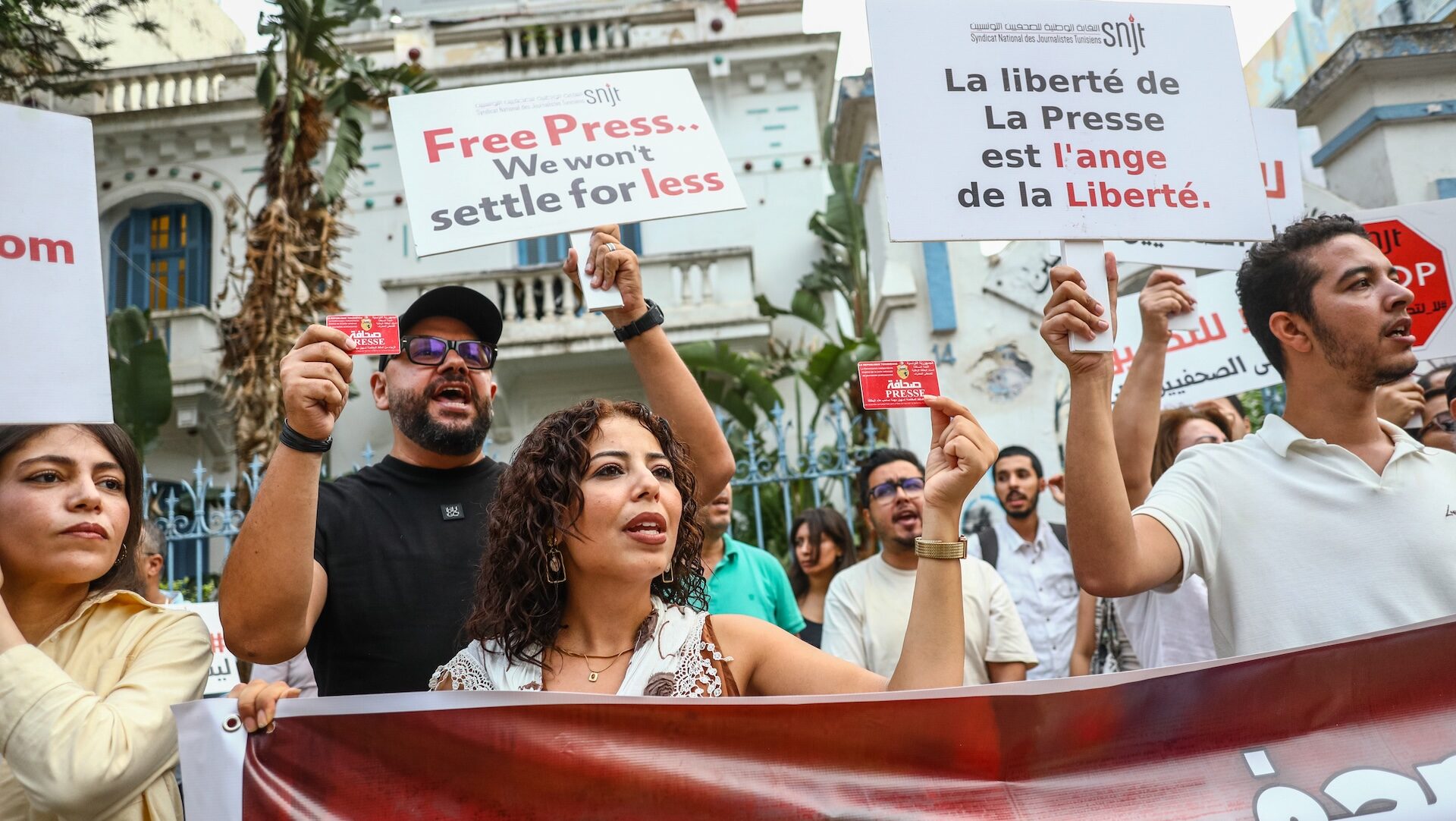
The Tunis Court of First Instance ruled this week to dismiss a case that would have shuttered media publisher Al Khatt, and with it, ICIJ partner Inkyfada. The ruling, praised by press freedom advocates, comes amid a severe crackdown on Tunisian media.
Tunisian authorities filed the dissolution request against Al Khatt, a nongovernmental organization that promotes independent journalism and media literacy, in May. The dissolution request was not based on a single claim, and it fit a larger pattern of censorship, Reporters Without Borders (RSF) told ICIJ at the time. The court finally ruled on Monday in Al Khatt’s favor.
“This decision is an encouraging signal, but it cannot mask the persistence of major concerns regarding the environment in which independent media operate,” Oussama Bouagila, director of RSF’s North Africa office, wrote to ICIJ. He condemned in particular authorities’ targeting of the independent news site Nawaat and needless detentions of multiple Tunisian journalists.
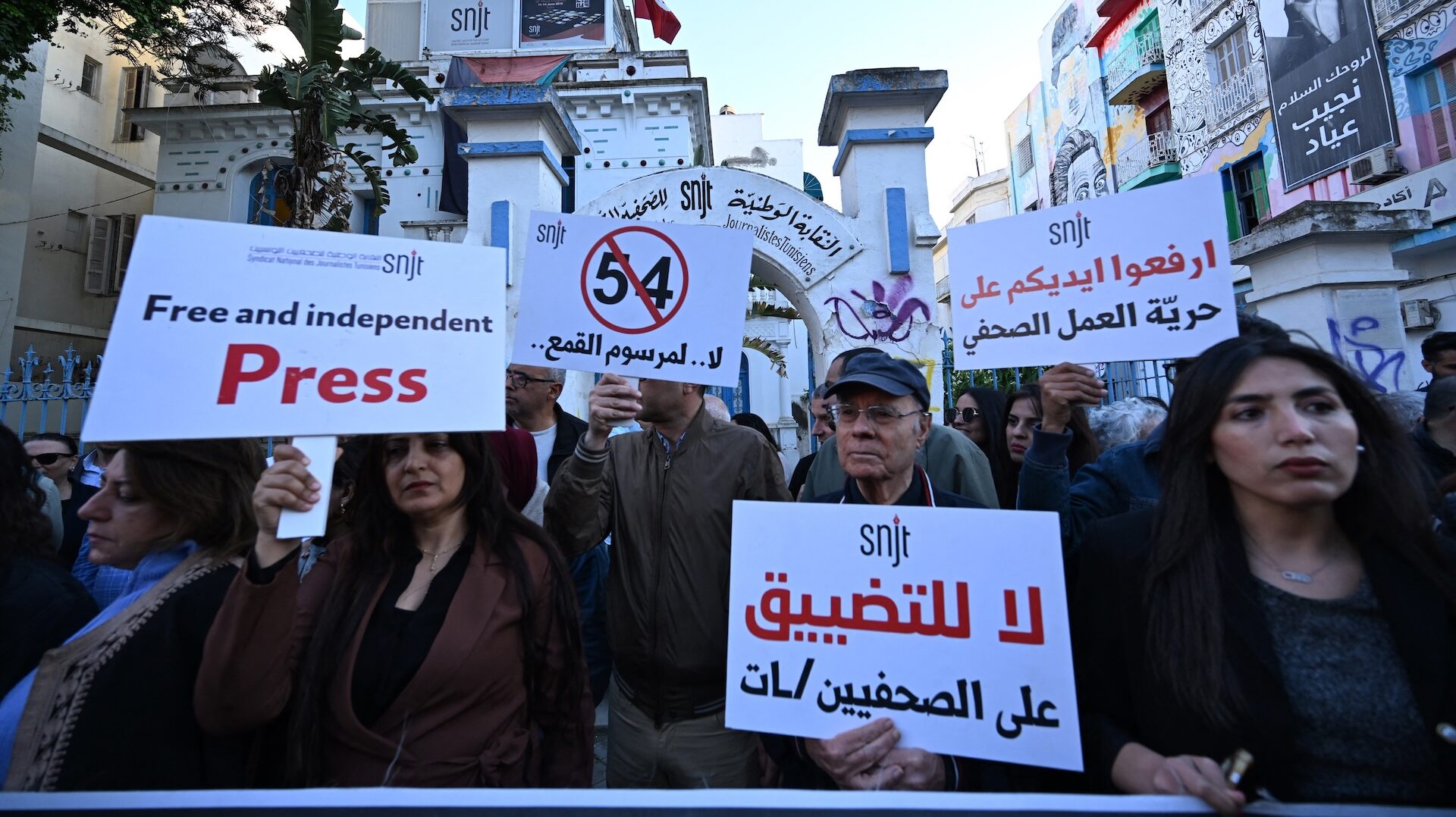
“The right of the Tunisian people to information is being undermined,” Bouagila said. “RSF calls on the Tunisian authorities to continue down the path to reform, to ensure the release of the detained journalists, and to establish the conditions for free and safe journalism.”
Al Khatt publishes and partly funds Inkyfada, a longtime ICIJ partner that has contributed to several cross-border investigations, including the Panama Papers, the Pandora Papers and the Implant Files.
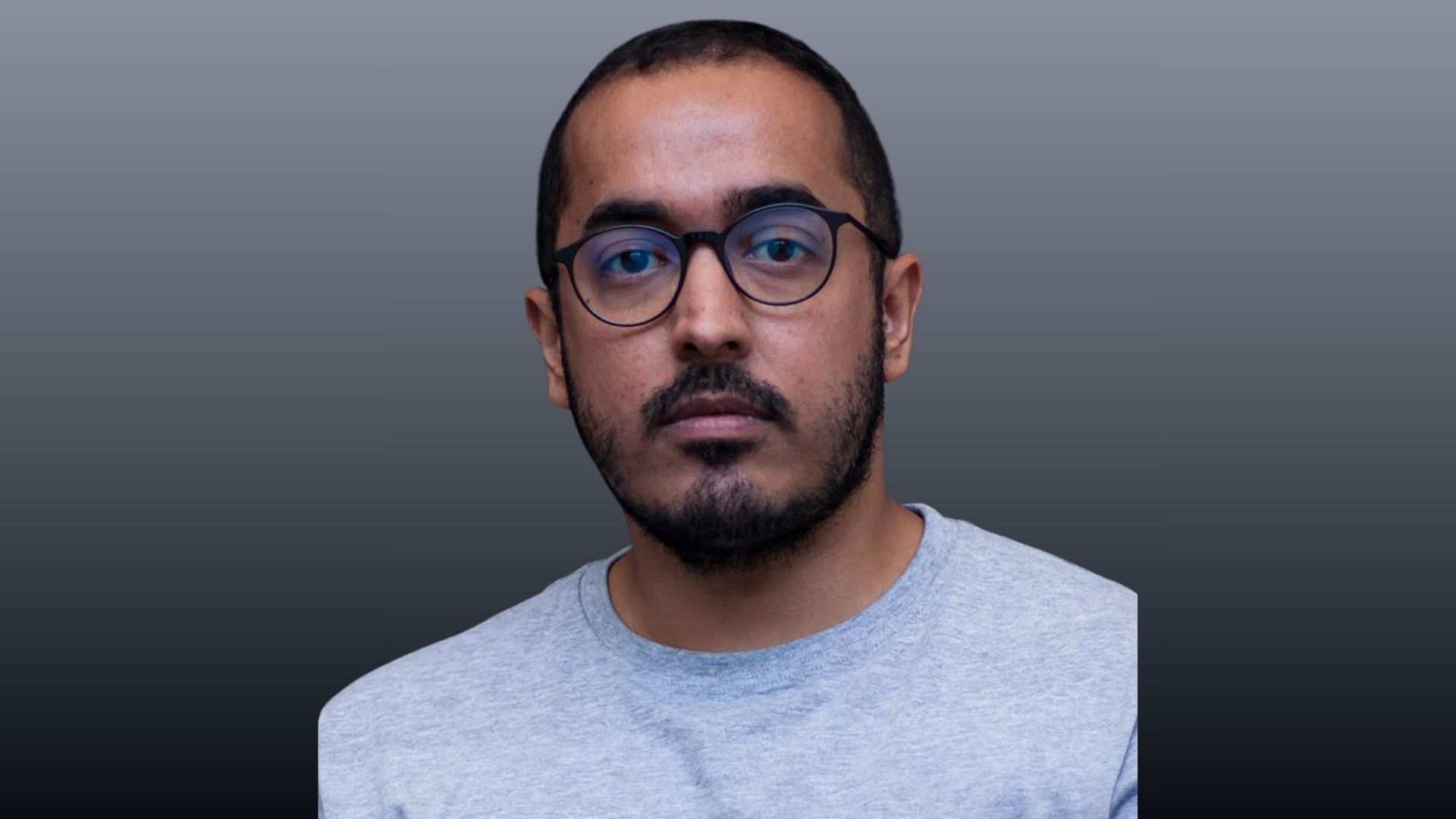
Malek Khadhraoui, executive director of Al Khatt and publication director of Inkyfada, said that the organization’s victory in court “does not end our difficulties.”
Since 2023, Tunisian authorities have targeted Al Khatt’s finances under the guise of regulatory action, including blocking the organization’s bank transfers, sometimes for months at a time.
“We have still received no explanation,” Khadhraoui wrote to ICIJ. “We will pursue every legal avenue to recover these funds, and we will keep publishing.”
In a press release, Al Khatt stated that it stood by organizations and journalists facing similar attacks in Tunisia.
Since 2022, Tunisian authorities have weaponized a law criminalizing “rumours and fake news” to pursue politically motivated censorship. Six of the 14 journalists prosecuted in Tunisia between April 2025 and April 2026 were prosecuted under this law, according to the National Syndicate of Tunisian Journalists’ annual report. Last week, the government amended the law to replace prison sentences with fines, but press freedom advocates warn the government can still use it to attack critics of the country’s leadership.
“[Al Khatt] hopes that civil society will be protected and supported as an indispensable partner in public life, and that everyone who practises journalism will be guaranteed the right to work freely and without fear of prosecution,” the statement reads.